The rise of e-commerce over the last decade has come with an equally rapid increase in customer returns. Customer returns have reached an estimated $850 billion annually, according to the National Retail Federation—nearly 16% of all retail sales.
This is a costly—and growing—problem for retailers. According to the NRF, over 64% say updating their returns process in the next six months is a priority. For most brands, the instinct is to reduce return rates. However, the real cost center isn't the volume of returns. It's what happens after they arrive.
On average, it costs $26.50 to process $100 in returned merchandise. However, research shows that the biggest cost in returns doesn't come from processing—it comes from making the wrong operational decision about what to do with the item once it's back in your warehouse.
Most brands operate with binary logic: resell at full price if an item is in excellent condition, liquidate if it's not. This leaves significant value on the table. However, the challenge is visibility. Most teams track cost-per-return but lack insight into recovery value by SKU. Without item-level intelligence, brands default to the safest decision: liquidate everything that's not in excellent condition.
Building a resale strategy into returns management creates a middle tier that captures this lost value, turning returned inventory into a revenue channel rather than a cost center.
1) Build repair economics into routing logic
Many brands lack a middle tier for items that could be repaired and resold at margin-positive prices. Some returns have higher resale value than others depending on customer demand, condition, and the cost of repair. The key is implementing automated routing based on resale value, repair cost, and condition—building margin protection into every return decision.
Footwear brand Karhu uses Archive's warehouse management system to efficiently track, process, repair, and resell returned products—unlocking a substantial new revenue stream while optimizing returns management. Karhu products returned to retail partners are processed by Tersus Solutions, an Archive partner offering textile reclamation and resale logistics services, including cleaning and repairs. Those products are then resold through Karhu Renewed, their secondhand marketplace.
2) Track recovery value by SKU, not just processing costs
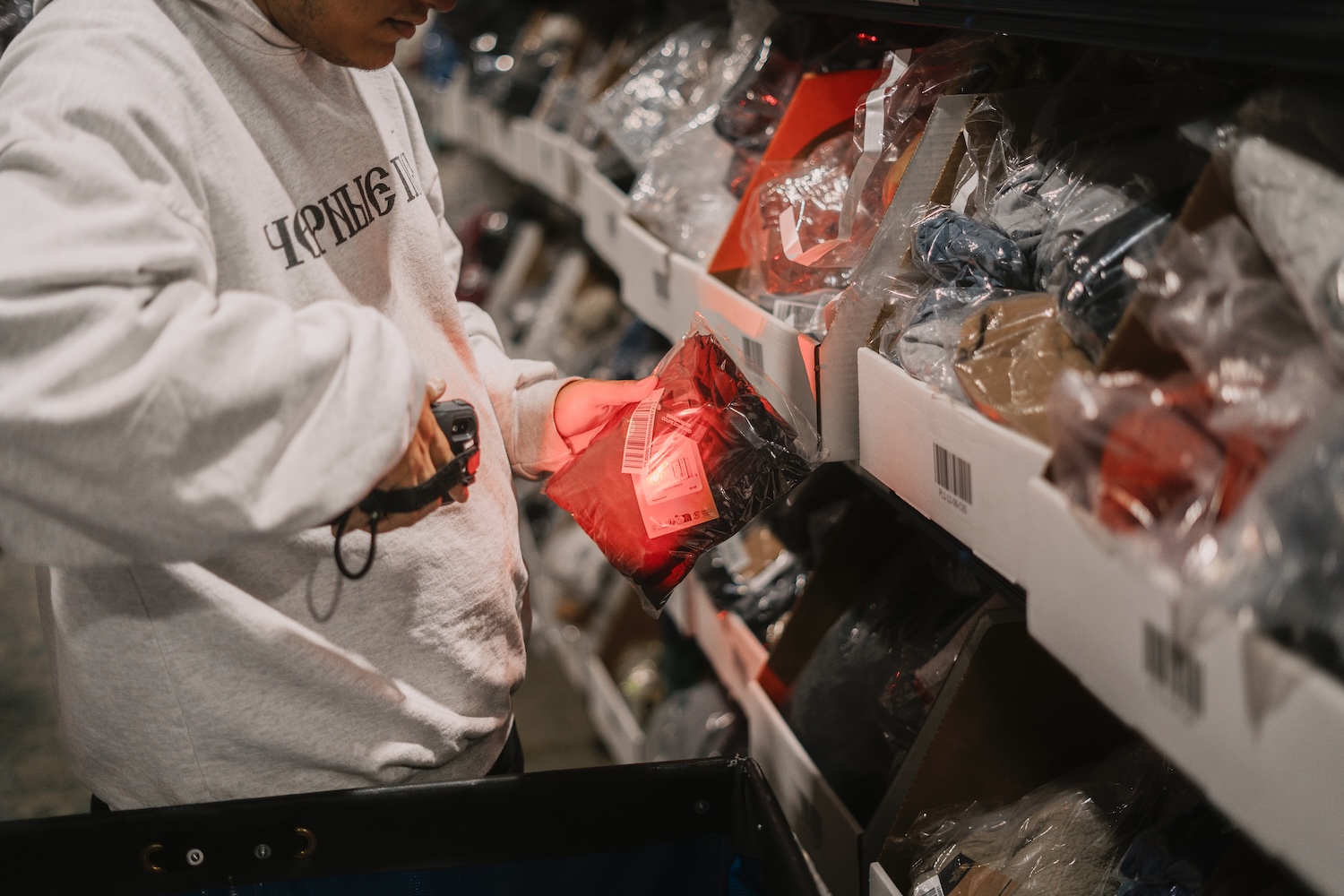
Leading brands are shifting their measurement approach to focus on recovery value by SKU and condition, not just aggregate processing costs. Archive's warehouse management system provides warehouse operators with tools to test and grade returns quickly and objectively, then determine the next-best channel for returned merchandise.
Brands that can quickly determine condition and route to the highest-value channel avoid the backlogs and exceptions that plague many returns operations.
3) Turn returns into customer acquisition through resale
M.M.LaFleur sources 80-90% of inventory for Second Act, their secondhand business, from returns and damages. Of those items, 30-40% sell within the first 60 days, with sell-through climbing to 60% within six months. By repairing and reselling this inventory instead of liquidating it, the brand has increased its resale sales by 40%.
The brand supplements returns with lightly used inventory from photoshoots and stores, creating a resale channel that both recovers margin and acquires customers.
On average, 50% of customers who shop brand-owned resale are new to the brand—discovering it at a more accessible price point and often converting to full-price buyers. Customers who shop both resale and mainline demonstrate 2-3x higher lifetime value than full-price-only shoppers.
While traditional liquidation recovers roughly 20% of original value, brand-owned resale can recover significantly more while simultaneously building customer relationships.
Returns volume spikes significantly in January following the holiday season. Damage rates increase by approximately 2% during this period. Additionally, "bracketing"—when 63% of e-commerce consumers purchase multiple items with the intention of returning some—peaks after the holidays.
Without intelligent routing systems in place, brands risk making costly returns decisions during their highest-volume period. With the right systems and visibility, returns can shift from being purely a cost center to becoming part of a broader margin protection and customer acquisition strategy.
Ready to turn returns into a revenue opportunity? Archive helps brands maximize recovery value through intelligent routing, resale operations, and customer acquisition strategies. Reach out to our team at info@archiveresale.com.



